
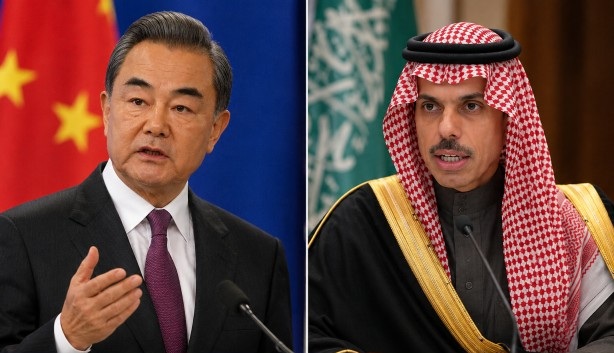
China has urged the United States and Iran to persist in their negotiations and refrain from escalating tensions, advocating for dialogue as the optimal method to resolve regional disputes. Chinese Foreign Minister Wang Yi emphasized the delicate nature of the current ceasefire and asserted that discussions are preferable to conflict. He also mentioned China’s willingness to collaborate with Saudi Arabia to mitigate tensions and bolster long-term regional stability.
During conversations with Saudi Foreign Minister Prince Faisal bin Farhan in Beijing, both nations underscored the significance of maintaining open access to the Strait of Hormuz, a critical conduit for global energy supplies. A substantial portion of the world’s oil and gas shipments traverse this vital waterway, making its stability crucial. The reopening of the Strait has become a focal point in negotiations between Iran and the United States, following disruptions in shipping activities due to heightened tensions. As a country that heavily relies on energy imports from the Gulf, China consistently advocates for a peaceful resolution to these issues.
The discussions between China and Saudi Arabia also concentrated on enhancing bilateral cooperation across various sectors, including trade, investment, energy, technology, and supply chains. Both sides expressed a commitment to strengthening their partnership and addressing broader challenges related to regional security.
China’s involvement in these diplomatic efforts highlights its strategic interest in ensuring stable energy supplies from the Gulf region. As Beijing continues to call for peaceful negotiations, it positions itself as a key player in promoting dialogue and stability in the Middle East.