
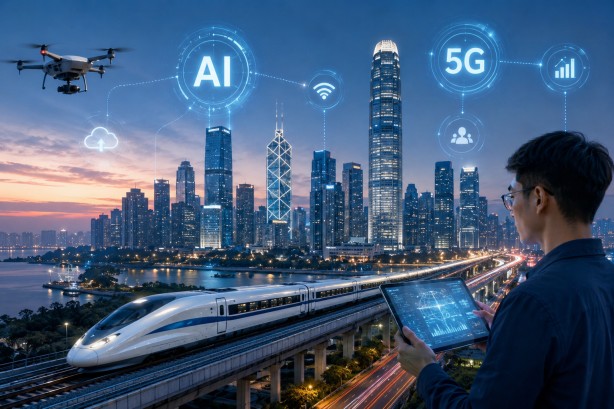
China is making significant strides in advancing its digital economy, with a noticeable increase in the use of artificial intelligence, digital infrastructure, and smart technologies in both industry and public service sectors. By the year 2025, the digital economy in China reached an impressive 49 trillion yuan, equivalent to $7.22 trillion, making up approximately 35% of the nation’s GDP. Furthermore, core digital industries alone contributed more than 10.5% to the country’s GDP.
As part of its ambitious 15th Five-Year Plan, which spans from 2026 to 2030, China has set its sights on broadening the scope of artificial intelligence applications. The plan also emphasizes the enhancement of data security measures, the refinement of digital governance, and the fostering of international cooperation in the digital realm. These strategic initiatives are poised to further solidify China’s position as a leader in the global digital landscape.
Leading the charge in this digital transformation are major urban centers like Beijing. These cities serve as testbeds for innovative solutions such as internet hospitals, which provide healthcare services remotely, and AI-powered traffic management systems that enhance urban mobility. Additionally, shared medical imaging platforms and smart utility networks are being implemented to streamline public services and improve the quality of life for citizens.
The integration of digital technologies into public services not only boosts economic growth but also enhances the efficiency and accessibility of everyday services. As these technologies continue to evolve, they are expected to play a crucial role in shaping the future of various industries and societal functions, paving the way for a more connected and technologically advanced China.