
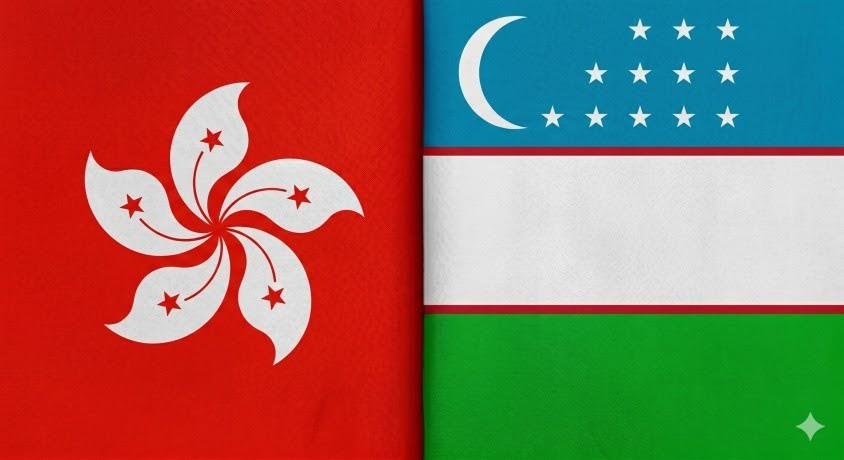
In a significant move to enhance bilateral relations, Hong Kong and Uzbekistan have reached an agreement to establish a mutual visa-free travel policy. This new arrangement will permit travelers from both regions to enter each other’s territories without a visa for up to 30 days. This development follows the exchange of official notes between the governments, an event witnessed by Hong Kong Chief Executive John Lee and Uzbekistan’s Foreign Minister Bakhtiyor Saidov. The respective authorities are now tasked with working out the specifics to implement the agreement promptly.
Currently, while Hong Kong passport holders enjoy the privilege of entering Uzbekistan without a visa for a maximum of 10 days, Uzbek passport holders must secure a visa to visit Hong Kong. The new policy aims to equalize travel opportunities and is anticipated to foster stronger economic, cultural, and business connections between Hong Kong and Uzbekistan. This initiative is part of Hong Kong’s broader strategy to engage more actively with emerging markets in Central Asia.
The travel and tourism sectors have already taken notice of this development, with tour operators expanding their offerings to include more packages to Uzbekistan and other Central Asian destinations. The visa-free policy is expected to stimulate interest in these regions, contributing to greater people-to-people interactions. This, in turn, is hoped to bolster long-term economic partnerships between Hong Kong and Uzbekistan.
Officials from both sides emphasize the potential economic and strategic benefits of the visa-free arrangement. It not only opens new doors for trade and tourism but also strengthens educational and cultural exchanges. The agreement is a testament to Hong Kong’s commitment to diversifying its international relations and tapping into new markets, particularly in Central Asia, which holds growing importance on the global stage.