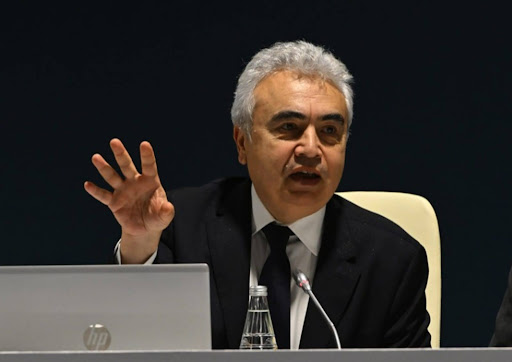
The global response to the energy crisis caused by the Iran war has been insufficient given its historic scale, according to Fatih Birol, the head of the International Energy Agency. Speaking in Canberra, the IEA chief said the crisis had grown to equal the combined force of the 1970s twin oil shocks and the Ukraine gas emergency — yet the world’s political and economic response had not matched the gravity of the situation. He called for a significantly more coordinated and ambitious international effort.
Birol explained that when US and Israeli strikes on Iran began on February 28, world leaders did not immediately grasp the depth of the crisis that was unfolding. The subsequent closure of the Strait of Hormuz and extensive damage to Gulf energy infrastructure created supply losses of 11 million barrels of oil per day and 140 billion cubic metres of gas. These figures surpass every previous energy crisis in modern history.
The IEA has taken unprecedented action, releasing 400 million barrels from strategic petroleum reserves on March 11 and calling for demand-reduction measures including working from home, lower speed limits, and reduced air travel. Birol confirmed that discussions about further reserve releases were ongoing with governments across Asia, Europe, and North America. He said the IEA was committed to using every tool available to support member governments in navigating the crisis.
The Hormuz strait, through which roughly 20 percent of the world’s oil travels, remains closed to commercial shipping following attacks on vessels. At least 40 Gulf energy assets have been severely damaged, undermining hopes for a rapid supply recovery. The Asia-Pacific region has been hardest hit, with Japan considering a military contribution to minesweeping operations if a ceasefire is achieved.
Iran threatened strikes on US and allied energy and water infrastructure after Trump’s 48-hour deadline expired. Birol warned that fuel hoarding by individual nations was worsening global supply dynamics. He concluded by saying the world needed to move decisively from awareness to action — and that the cost of a fragmented, inadequate response would ultimately be far greater than the cost of genuine collective engagement.