
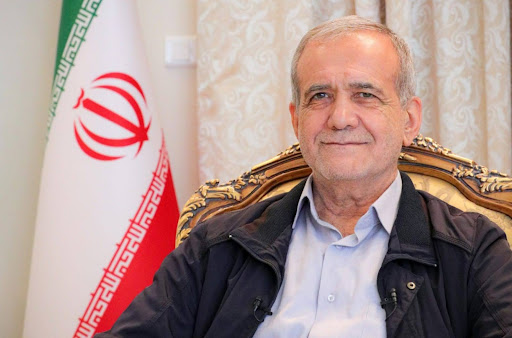
As the Iran-US war surpasses its first month, Iranian President Masoud Pezeshkian has sent a powerful message to Gulf nations, framing the choice to host or deny enemy forces as a direct determinant of their own future security. His statement marks a turning point in Iran’s diplomatic engagement with the region, blending military warnings with appeals to shared strategic interests. The message signals that Tehran is pursuing dialogue even as it continues to exchange fire with the United States.
The war’s reach has extended deep into the Gulf region, with Saudi Arabia, the UAE, Kuwait, Qatar, and Oman all experiencing the direct effects of US military operations conducted from their soil and subsequent Iranian counterstrikes. Gulf governments have found themselves in an uncomfortable position, balancing longstanding security alliances with the United States against the new reality of being targeted by Iranian retaliation. The situation has created enormous political and diplomatic pressure across the region.
Through a post on X, Pezeshkian reaffirmed Iran’s policy of not striking first while making clear that retaliation for attacks on Iranian infrastructure would be swift and powerful. He directed a specific and pointed appeal to Gulf leaders, arguing that permitting enemy forces to wage war from their land would deprive their nations of any hope of security and development. The message was notably diplomatic in tone, suggesting Iran’s preference for regional political alignment over escalation.
Pakistan has assumed the mantle of a key peacemaker, with Prime Minister Shehbaz Sharif actively engaging with Iranian leadership and other regional actors. Following his discussion with Pezeshkian, Sharif stated that Iran views trust as the bedrock of any viable peace process. Pakistan’s mediation has earned praise from Tehran, reflecting the positive reception of Islamabad’s approach by the Iranian side.
A multilateral diplomatic push is unfolding in Pakistan, where the foreign ministers of Saudi Arabia, Egypt, and Turkey are meeting to coordinate their positions on the war. Their discussions with Pakistani Foreign Minister Ishaq Dar and Prime Minister Sharif are aimed at developing a unified regional voice calling for de-escalation. The convergence of these diplomatic threads suggests that a political resolution, while still distant, may be achievable.