
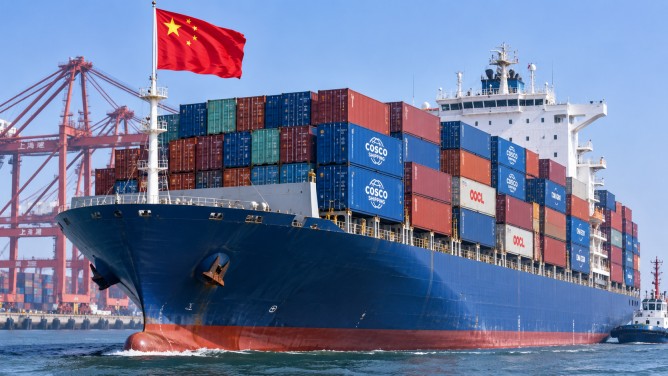
In a move aimed at enhancing its industrial capabilities and satisfying growing domestic demand, China is set to broaden its import portfolio over the next Five-Year Plan from 2026 to 2030. The country intends to bring in more advanced technology, crucial industrial components, energy resources, and premium agricultural products. This strategic initiative, outlined by Chinese customs authorities, is designed to support the modernization of Chinese industries, stimulate domestic consumption, and offer a wider array of quality goods to Chinese consumers. Additionally, China aims to diversify the countries from which it imports these goods.
The first half of the year saw China experience robust trade activity, with both imports and exports showing double-digit growth. Notably, import growth surpassed that of exports, driven by increasing domestic demand for advanced equipment, technology, and consumer items. As part of its plan, China will continue to expand market access for foreign agricultural and food products, while also simplifying the procedures for quarantine and import approvals. Since the year’s onset, China has opened its market to 264 categories of agricultural and food products from 79 new countries, now sourcing imported food from over 150 countries and regions.
Chinese trade experts suggest that this strategy underscores the nation’s dedication to promoting market openness, diversifying trade partnerships, and enhancing global economic cooperation. By ramping up imports, China aims to meet the demand for industrial upgrades and higher-quality consumer goods, simultaneously creating new avenues for international exporters. This approach is seen as a way for China to further integrate into the global economy while driving its own economic transformation.
Furthermore, officials are optimistic that as China’s consumer market continues to grow, it will offer expanded opportunities for global businesses. The increasing appetite for diverse products within China is expected to attract more international companies looking to tap into the burgeoning market. This aligns with China’s broader economic goals of fostering an environment that encourages both local and international trade, ensuring sustained growth and development in the years to come.