
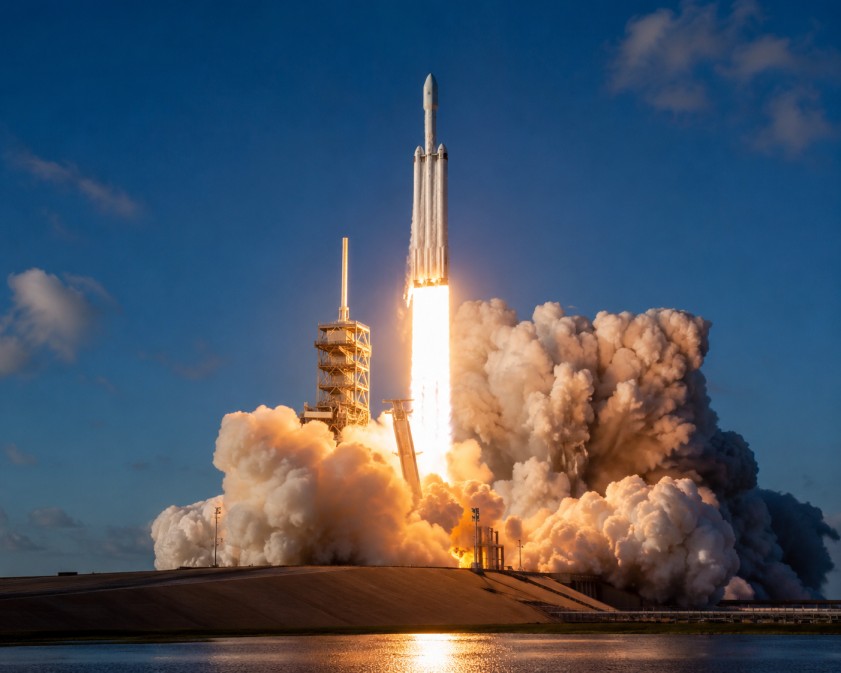
China has made strides in its ambitious space exploration efforts with the successful launch of the Shenzhou-23 mission, which has dispatched three astronauts to the Tiangong space station. This mission is a crucial component of China’s overarching goal to send humans to the moon by 2030. The crew, consisting of astronauts Lai Ka-ying, Zhu Yangzhu, and Zhang Zhiyuan, embarked on their journey aboard the Long March 2-F rocket, which took off from the Jiuquan Satellite Launch Center. Notably, this mission includes the historic first instance of an astronaut from Hong Kong venturing into space.
Throughout their mission, the astronauts will engage in a variety of scientific investigations, focusing on disciplines such as life sciences, medicine, fluid physics, and materials science. A key aspect of this mission is the unprecedented year-long stay of one astronaut in orbit, marking China’s longest human space mission to date. This extended duration aims to provide insights into the physiological and psychological impacts of prolonged exposure to microgravity, examining effects like bone density reduction, muscle atrophy, radiation exposure, and mental stress. The data gathered will be instrumental in preparing for China’s future lunar and deep-space exploratory missions.
The Tiangong space station has previously accommodated astronauts for missions lasting six months. However, the current mission signifies a significant advancement towards achieving the capability for long-term human habitation in space. This progress comes as China also advances its preparations for future lunar missions through the development of the Mengzhou spacecraft. This new vehicle is anticipated to replace the existing Shenzhou system, enhancing China’s capacity for lunar exploration.
China is setting its sights on establishing the initial phase of its International Lunar Research Station by 2035. The nation has been steadily bolstering its space program, investing significantly over the past thirty years to emerge as a formidable force in global space exploration. This period of rapid development has seen China accomplish milestones such as deploying a rover on Mars and landing a probe on the moon’s far side. These achievements underscore Beijing’s commitment to expanding its space capabilities and competing on the international stage.